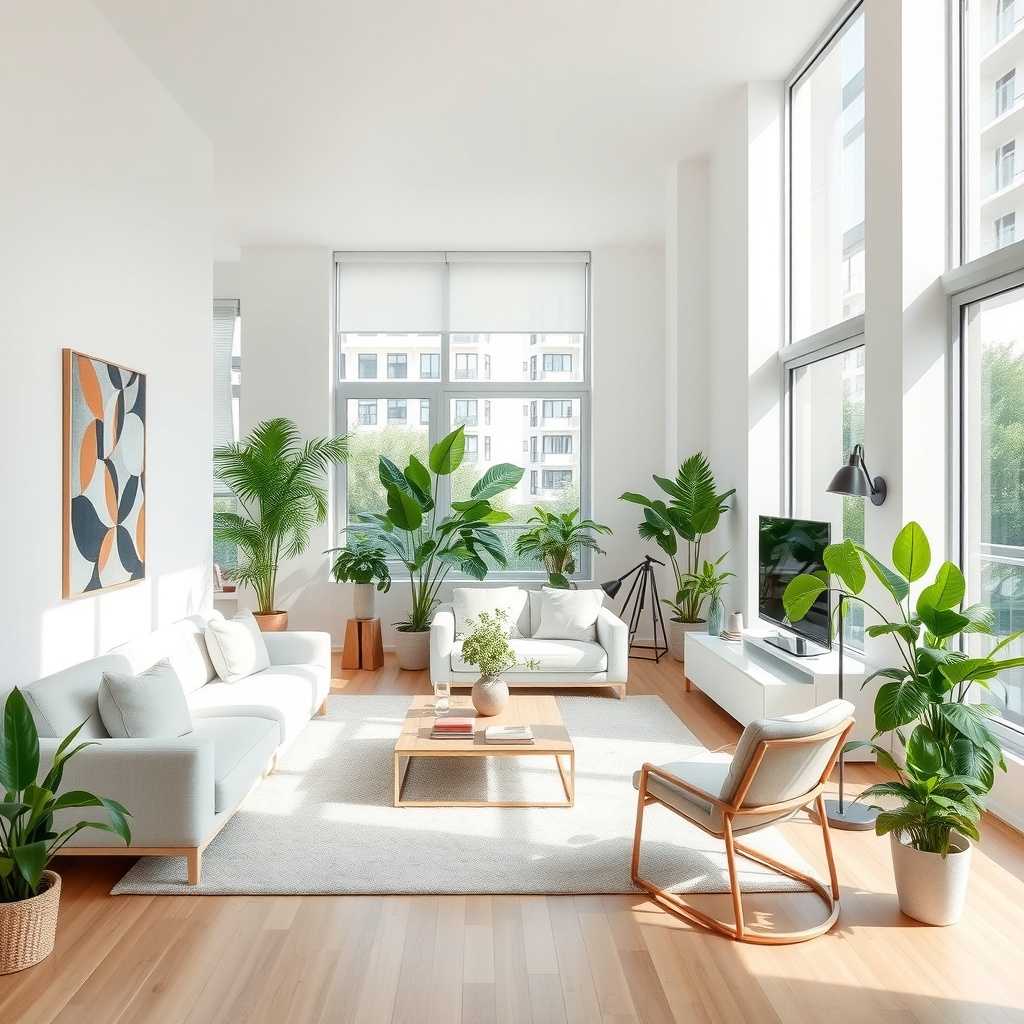
Designing Flow: Tips for Creating Open Spaces in Small Rooms
As urban living spaces become more compact, the art of designing small rooms has evolved into a vital skill for modern homeowners. Open spaces in small rooms can create a sense of freedom and tranquility, allowing occupants to navigate their environment with ease. The following tips will help you maximize function and aesthetics in small living areas without feeling cramped. Small can be beautiful, especially when designed well.
When we think of small spaces, we might envision cluttered corners and tight squeeze rooms; however, with thoughtful planning and execution, a small room can exude charm and spaciousness. This article draws inspiration from several leading design principles while illustrating how effective use of materials, light, and nature can transform limited square footage into a functional delight. With mindful design choices, even the tiniest of homes can offer liberation rather than confinement.
Maximize Natural Light
Natural light has an incredible ability to open up small rooms and make them appear larger. Bringing sunlight into a design is a fundamental principle that cannot be overlooked. Where space limitations exist, maximizing existing windows should be the first step. Use sheer curtains for a light and airy feel, ensuring that daylight flows freely into the space. Moreover, consider the addition of mirrors strategically placed to reflect light, creating an illusion of depth.
If the option is available, try to integrate more windows or skylights into your design. As noted in an article about small spaces, these features amplify views and connect indoor and outdoor environments, enhancing the overall atmosphere. By prioritizing natural light, your small room can go from feeling claustrophobic to being a bright respite in an urban setting.
Incorporate Multifunctional Furniture
With limited floor space in small rooms, multifunctional furniture proves to be a game-changer. Instead of investing in standard-sized furniture that has singular purposes, opt for items that serve multiple functions. For example, a sofa bed can eliminate the need for a guest room, while a coffee table with storage can declutter and optimize your space. Take a cue from innovative tiny house designs where furniture is often designed to be easily convertible.
The perfect example comes from various design tutorials that emphasize flexibility within small living spaces. Pieces that can fold, extend, or stack when not in use contribute to a sense of openness and can serve varied purposes depending on your needs. Embrace the transformative potential of such furniture to maintain functionality while keeping your room feeling spacious.
Use a Lighter Color Palette
The color scheme of a room can significantly impact its perceived size. Light-colored walls, such as soft whites, pale grays, or cool pastels, help reflect light and create an illusion of openness. They make a small space feel less confined and add to the airy ambiance. This is evident in many contemporary small space designs where darker hues are avoided unless they serve as a striking accent.
As suggested by design experts, painting a single feature wall in a bold color can create a captivating focal point without overwhelming the entire room. By balancing bold and soft tones, you can express personality and maintain a spacious and inviting environment. An open flow resulting from a well-structured color palette fosters comfort even in cramped conditions.
Connect Indoors with Outdoors
To foster a breathing space within small rooms, creating a direct connection between indoor and outdoor environments is key. Introducing elements from nature can make a compact area feel rejuvenating. Indoor plants, for example, can actively contribute to the decor while improving air quality, much like Alejandro Aguilar’s plant-rich apartment demonstrates. Bringing greenery into the home connects earthy aesthetics to urban living.
Incorporating features that blend interior and exterior spaces, like large glass patio doors, can visually double your usable area. A terrace or balcony can act as an extension of your living room, providing an illusion of greater space. Additionally, the outdoor area can be customized with seating and flora, allowing it to serve as an inviting retreat that complements your indoor environment.
Maintain Flow with Clear Pathways
A successful small room design hinges upon maintaining clear pathways to promote a smooth flow throughout the space. Avoid overcrowding with bulky furnishings or excessive decor items, as this can disrupt movement and diminish the room's openness. Instead, arrange items thoughtfully so that the flow remains seamless, and adjust layouts to create inviting transitions between different areas of the space.
Paying attention to the layout can maximize functionality. Placing furniture against walls or selecting slimmer, more streamlined pieces allows for free circulation and ensures that every area of the room is accessible and usable. Remember, balance is essential; while it’s tempting to fill a space for warmth and decoration, restraint often leads to the most rewarding small space outcomes.
Conclusion
In summary, designing open spaces in small rooms is about strategic choices that embrace functionality while elevating aesthetic appeal. By maximizing natural light, incorporating multifunctional furniture, using a light color palette, connecting with nature, and maintaining clear pathways, you can transform a compact room into an inspiring environment that feels spacious and inviting. Evaluating each of these elements can empower you to make the most of your space, allowing for creativity and comfort.
Creating open spaces is more than just limiting how much you include in a room; it's about enriching the living experience. Handle the challenges of small room design with the right tools and principles, and you will cultivate an area that harmonizes practical living with personal expression.
Ultimately, small rooms do not have to feel confined. Instead, they can become oases of calm and beauty through intentional design choices that reflect both lifestyle and preference. Embracing these design tips provides a roadmap for anyone looking to elevate their living space, making even the smallest of rooms feel open and inviting.